

Ready to Learn More?
DTC is Here to Help
DTC’s Admissions Team will reach out to answer any questions you have and share next steps!
Cosmetology Program Overview
What Makes Cosmetology School at DTC Different?

Hands-on Focused
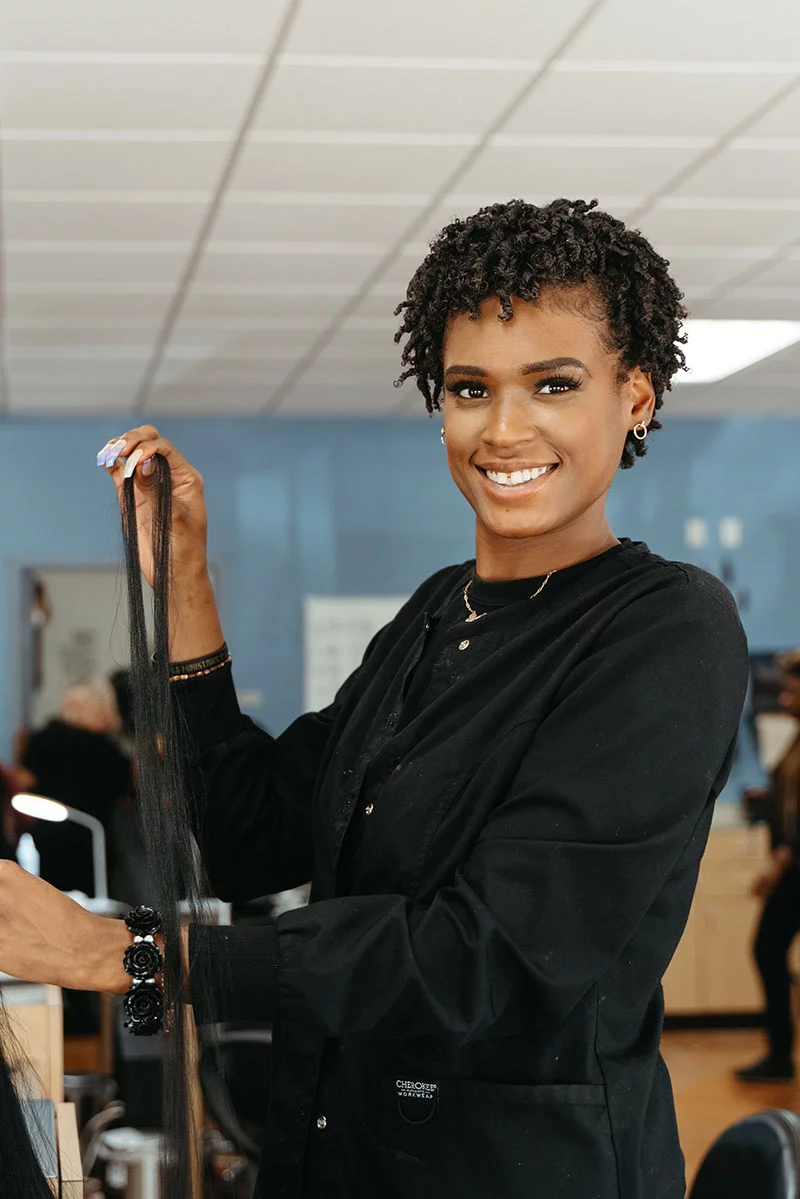
Get experience working with real clients in a real salon environment

Accelerated Training
Earn your cosmetology diploma in just over a year

Experienced Instructors
Learn from licensed cosmetologists with industry experience


Flexible Classes Schedules
Daytime classes available

Employment Preparation
You’ll gain the skills required for the cosmetology licensing exam and entry-level employment

Job Placement Assistance
Job placement assistance is available to all qualified graduates

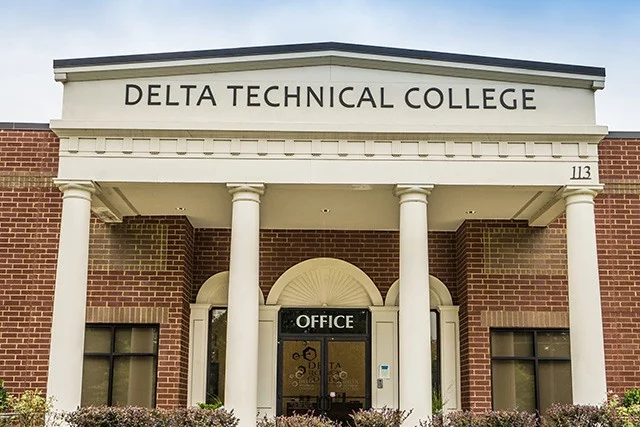
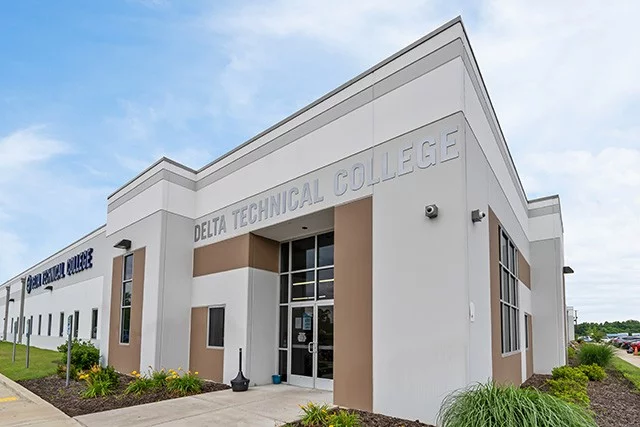
Find a Cosmetology School Near You
Cosmetology Classes at DTC
What will you learn in cosmetology school?
- The fundamentals of basic haircutting, hair styling, and hair coloring
- Nail and skincare education
- Industry sanitation and disinfection practices
- Basic skincare including specialized facials, masks, and manual care
- Advanced nail services in manicuring and pedicuring
- And more!
Cosmetology License
State licensure is required to obtain entry-level employment in the cosmetology industry. At DTC, you’ll learn the Mississippi State Board of Cosmetology laws, rules and regulations that govern the industry. You’ll be prepared to take the state licensing exam to become a licensed cosmetologist!
COSMETOLOGY FAQS
A cosmetologist is trained in a variety of services related to beauty, including hair cutting and styling, facial and scalp treatments, makeup analysis, and skincare and nail services. Some cosmetologists may want to specialize, while others may choose to offer a full range of services.
To learn more, check out What Are the Basics of Cosmetology?
HOW MUCH DO COSMETOLOGISTS MAKE?
A cosmetologist salary can vary widely depending on the skills and training they have acquired, and the services they provide. The median hourly wage for hairdressers, hairstylists, and cosmetologists was $16.95 in May 2024. Tips are a significant part of cosmetology wages, and can vary depending on the quality of the work and customer service.
WHERE CAN I WORK AS A COSMETOLOGIST?
Most cosmetologists are employed by a salon, although there are some who work in hotels, resorts and spas. A future as a salon owner or manager is also a possibility, often beginning with leasing booth space from a salon where stylists can work independently. Full-time and part-time work are possible in cosmetology.
HOW LONG IS COSMETOLOGY SCHOOL?
Most programs require a certain number of clock hours, such as 1,500 – 2,000 hours. At DTC, you can complete your training in just 13 months.
HOW MUCH DOES COSMETOLOGY SCHOOL COST?
For more information on DTC program costs, please contact Financial Aid or visit Tuition & Cost.
Check out the Cosmetology FAQ for the answers to frequently asked questions about cosmetologists!
Start your Cosmetology Career at DTC
“My favorite part about being a student at DTC was my classmates. They made it easy to come and learn. My instructor had the biggest impact on me, she believed in me. Even when she barely knew me.”
Parrish
2025 Cosmetology Graduate
Enrollment & Outcomes
Enrollment and outcome information for all Mississippi-based campuses and the ACCSC annual reports for each program in Adobe PDF format. Please note, all programs are not offered at all campuses. For annual details, please visit our Cosmetology enrollment and outcomes page.
Accreditations
- DTC is accredited by the Accrediting Commission of Career Schools & Colleges (ACCSC).
- DTC is approved by the U.S. Department of Education to participate in federally-funded financial aid programs.

Delta Technical College is licensed by the Mississippi Commission on Proprietary Schools and College Registration, Certificate No. C-624. Licensure indicates only that minimum standards have been met; it is not an endorsement or guarantee of quality. Delta Technical College is authorized for operation as a postsecondary educational institution by the Tennessee Higher Education Commission.
Licensure indicates only that minimum standards have been met; it is not an endorsement or guarantee of quality.
Delta Technical College is authorized for operation as a postsecondary educational institution by the Tennessee Higher Education Commission.
