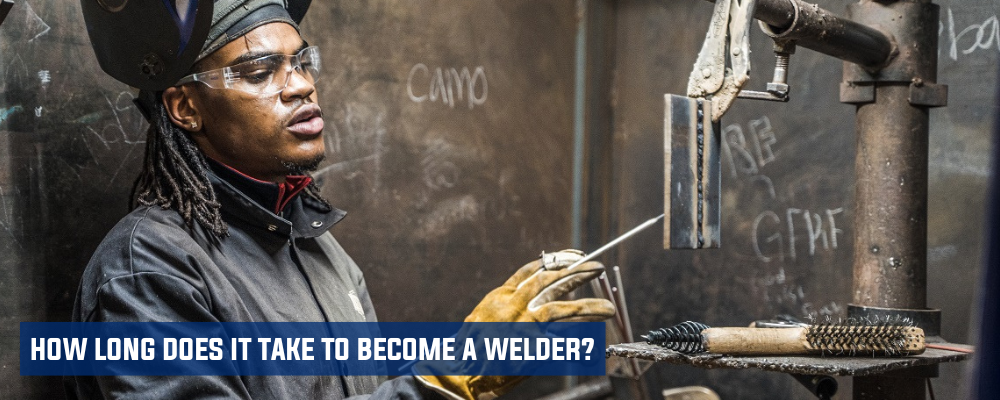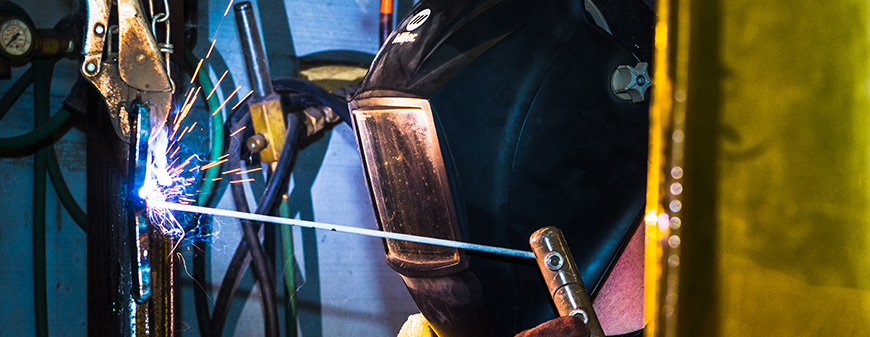
Welders fuse two or more metal parts by applying heat to the metal. When the molten material cools down, it forms a bond between the metal parts.
There are many different welding methods that welders use, depending on the type of metal, purpose and environment, and several other factors. The most common welding type today is arc welding, which uses electrical currents to generate heat and bond metals.
Since welding is an essential part of industrial production, welders are employed in a variety of industries, including construction, automotive manufacturing and energy extraction.
If you’re considering a career in welding, it’s important to understand all the things a welder is commonly expected to do.
What Are the Job Duties of a Welder?
The role of a welder can vary greatly, depending on several factors like industry, experience, and employer.
The following are some typical welder job tasks and responsibilities:
- Joining metal parts in flat, vertical or overhead positions
- Studying engineering drawings, blueprints, sketches and material safety data
- Calculating dimensions of metal parts to be welded
- Laying out, positioning, aligning and securing metal parts
- Inspecting workpieces for defects and checking for specifications
- Igniting welding torches and striking arcs
- Selecting welding methods and required equipment
- Cleaning welded metal off excess weld, slag or splatter
- Filling holes or hammering out bulges and bends
- Mixing and applying protective coatings
- Maintaining equipment and machinery
Where Do Welders Work?
According to the U.S. Bureau of Labor Statistics (BLS), the majority of welders (62%) work in manufacturing.
Depending on the industry or welding project, they may work both indoors and outdoors, including the following industries:
- Construction
- Industrial Maintenance and Repair
- Shipbuilding
- Automobile Manufacturing & Repair
- Aerospace Applications
- Railroad Manufacturing
- Electrical Power Generation, Transmission and Distribution
- Natural Gas Distribution
- Pipeline Transportation
- Pulp, Paper and Paperboard Mills
Interested in Learning More About Welding?
Fill out the form below to receive info about our career training programs.
How Many Hours Do Welders Work?
Most welders work full-time, with overtime, evenings and weekends being common, especially for time-sensitive projects.
Additionally, many manufacturing plants operate around the clock, so welders frequently have two or three 8-12 hour shifts per week. As a welder, you can likely expect to work more than a typical 40-hour week.
A Day in the Life of a Welder
Every welder is different, but here’s some typical daily experiences of a welder on the job.
- Reviewing blueprints and other instructions to determine what welding methods or sequences are required for the job.
- Laying out the metal parts and aligning them properly for assembly.
- Measuring dimensions and verifying that they correspond with the specifications they have been given.
- Discussing the project with co-workers or supervisors
- Preheating or cleaning metals before it can be welded.
- Choosing the welding equipment, including the welding torch.
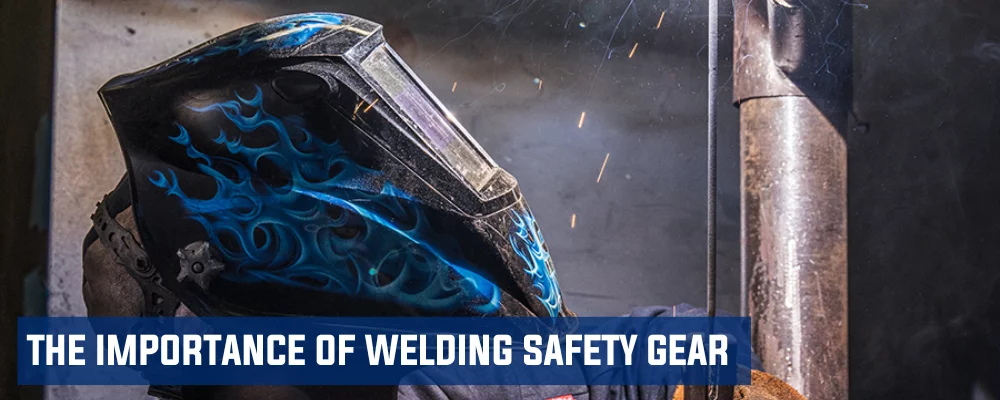
- Putting on protective gear, such as a welding helmet or gloves, to shield themselves from burns and contaminants.
When it’s time to begin, the welder will ignite the torch and strike an arch. Throughout the process, it is very important to be accurate, with arm-hand steadiness, control precision and multi-limb coordination being crucial. Upon completion of the weld, the welder may trim excess material and remove any slay or splatter. In addition, they may need to clean and disassemble the welding equipment.
If the welder has to repair a piece, they may have to fill cracks, smooth out imperfections or seal holes. Sometimes, metal pieces need to be reshaped to conform to the given specifications. Finally, the welder may need to apply protective or decorative finishes.
Throughout their day, welders undertake several tasks, needing both physical and technical skills to succeed. While duties and workdays can vary from industry and employer, the basic tasks remain consistent, which allows welders to be flexible in employing their skills throughout a variety of fields.
Welding Training at Delta Technical College
If you’re interested in becoming a welder, a training program is a great place to start.
Delta Technical College (DTC) offers a Welding Program and a Welding and Pipefitting Program where you can complete your training in less than a year.
You’ll learn SMAW, TIG, MIG and FCAW welding techniques, as well as pipefitting skills
Ready to get started? Contact the Admissions Team or schedule a tour of your local campus
SOURCES